Essential Tree Maintenance Tips for Wollongong Landlords
Well-maintained trees provide shade, improve street appeal and make rental properties more comfortable. For Wollongong landlords, they also require attention to coastal winds, heavy rainfall and branches near buildings. A practical tree maintenance plan helps protect tenants, reduce avoidable damage and preserve healthy trees.
Schedule Regular Tree Inspections
Check trees during routine property inspections, following tenancy notice and access requirements. Arrange an additional check after severe weather, especially if tenants report fallen branches, unusual movement or changes around the roots.
Look for warning signs such as:
- Broken, hanging or dead branches above paths, parking spaces and outdoor living areas.
- New cracks in trunks or major branch junctions.
- A recent lean, lifting soil or exposed roots near the tree’s base.
- Fungal growth, cavities or significant canopy dieback.
- Branches touching roofs, gutters or other structures.
Visual checks do not replace a professional assessment. If a tree shows concerning changes, engage a suitably qualified consulting arborist. Keep people away from the affected area while arranging advice.
Check Wollongong Tree Approval Requirements
Before pruning heavily or removing a tree, check Wollongong City Council’s current tree management requirements. Approval may depend on the tree’s characteristics, location, heritage status and other environmental controls. Trees on private property are not automatically exempt.
Ask the council which permissions or exemptions apply, and retain written confirmation. An arborist’s recommendation does not itself authorise removal. For trees on public land, contact the council rather than arranging work yourself.
Use Appropriate Pruning Methods
Targeted pruning can remove defective branches and improve clearance around buildings. Avoid topping trees or removing large portions of the canopy simply to reduce maintenance: this can create large wounds and encourage weakly attached regrowth.
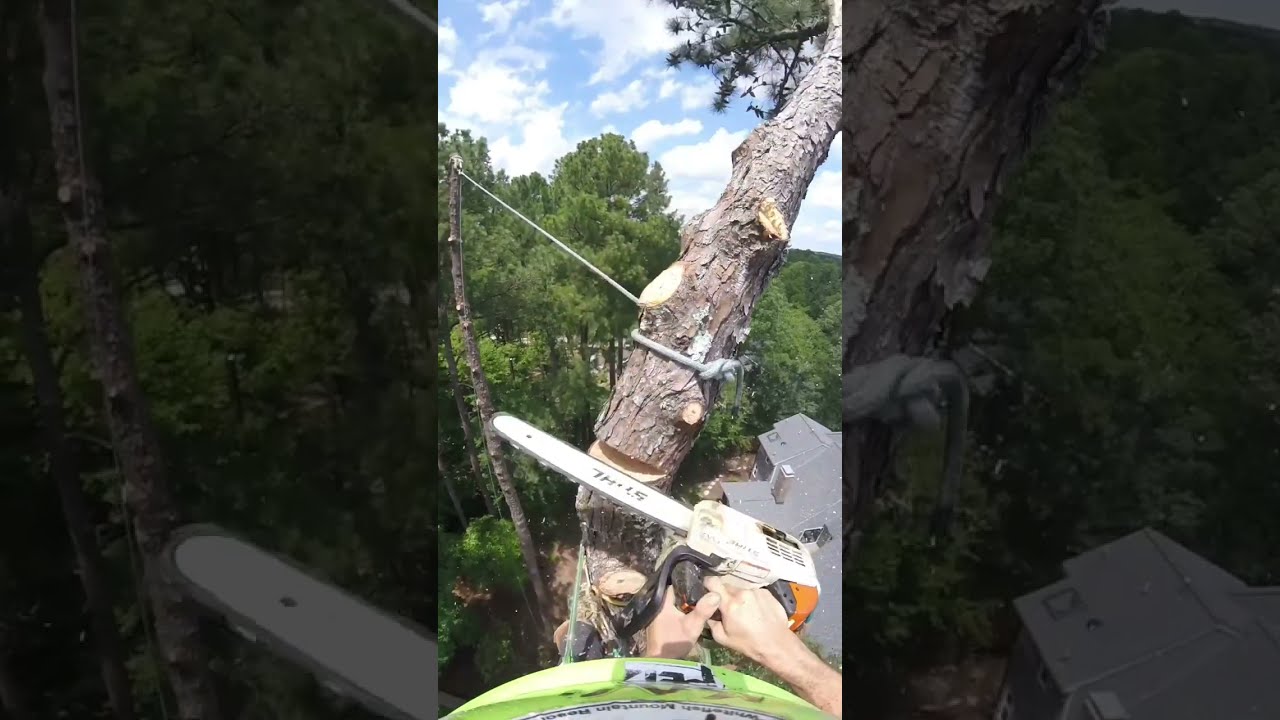
Use a qualified, insured arborist who works in accordance with AS 4373, Pruning of Amenity Trees, where applicable. Request a written scope covering the intended cuts, approval https://treeremovalwollongong.com.au/hedge-trimming/ responsibilities, debris removal and protection of nearby structures.
Do not ask tenants or general handymen to climb trees or cut large overhead limbs. Branches near powerlines require specialist attention; contact the electricity network operator for guidance.
Protect Roots and Manage Growing Conditions
Mulch Without Burying the Trunk
Apply an organic mulch layer approximately 50–75 mm deep over the root zone where practical, leaving a clear gap around the trunk. Mulch helps retain moisture and suppress weeds, but piling it against bark can encourage decay.
Avoid Root Damage
Keep vehicles, stored materials and excavation away from important root areas. Before installing drainage, fences or paving near established trees, seek arborist advice. Cutting substantial roots can affect tree stability and health.
For new plantings, choose species suited to Wollongong’s local conditions and the available space. Consider mature height, canopy spread, coastal exposure and proximity to services rather than selecting solely for fast growth.
Clarify Responsibilities and Keep Records
Landlords should not assume that routine tenant gardening obligations include specialist tree maintenance. Clarify ordinary garden care in the tenancy agreement, check current NSW tenancy guidance and arrange professional work where safety or specialist skills are involved.

Keep inspection notes, dated photographs, arborist reports, council approvals and invoices. Give tenants a straightforward way to report tree concerns and respond promptly. Regular inspections and early intervention are more effective than waiting for a branch failure or storm-related emergency.
Wollongong Tree Removal Pros
106 Gipps St, Wollongong NSW 2500
(02) 4210 5945